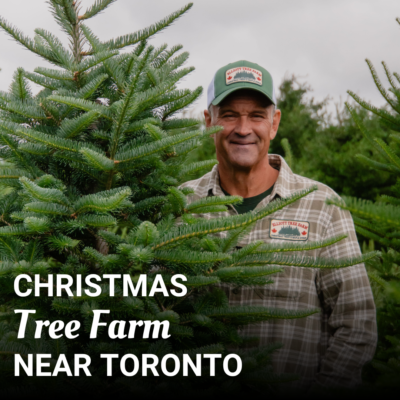
For many families, choosing a Christmas tree is one of the first traditions of the holiday season. It marks the beginning of Christmas decorating, brings the scent of fresh evergreen into the home and creates a moment families look forward to year after year. But choosing a real Christmas tree is about more than nostalgia. Sustainable Christmas trees offer families a renewable, locally grown option that supports responsible farming practices while keeping cherished holiday traditions alive.
A real Christmas tree is a renewable agricultural crop that is planted, grown, cared for and replanted as part of a long-term farming cycle. While it grows, it contributes to a living landscape, and after Christmas, it can be chipped, composted or repurposed rather than remaining in a landfill for generations. Christmas tree farms also help preserve agricultural land and provide habitat and feeding areas for wildlife.
At Elliott Tree Farm, sustainability is part of the responsibility of growing Christmas trees for future generations. Families may come to the farm looking for the perfect tree, but behind that Christmas tradition are years of planting, pruning, tending and planning for the seasons still to come.
 A Christmas Tree Is a Farm Crop
 A Christmas Tree Is a Farm Crop
One of the biggest misconceptions about real Christmas trees is that cutting one down means removing a tree from a natural forest.
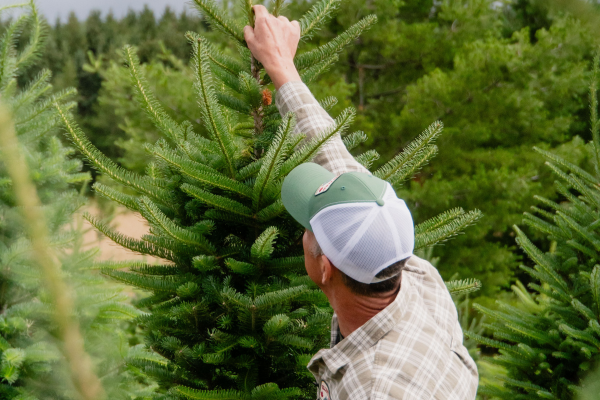
Christmas trees sold at farms like Elliott Tree Farm are purpose-grown agricultural crops. Just like other crops, they are planted with the intention of being harvested and then replaced with new plantings.
Christmas tree farming also requires patience. A tree that becomes part of a family’s Christmas celebration may have been growing and cared for for many years before it is ready for harvest. At Elliott Tree Farm, it can take up to 10 years to grow a seven-foot Christmas tree. During those years, trees are regularly tended and pruned to help them develop into the full Christmas trees families eventually bring home.
That long growing cycle naturally encourages farmers to think far beyond a single Christmas season. The seedlings being planted now are being grown for families who may not visit the farm for several more years.
 Real Christmas Trees Are Renewable
 Real Christmas Trees Are Renewable
A sustainable Christmas tree farm is built around a continuous cycle of planting, growing, harvesting and replanting. At Elliott Tree Farm, for every Christmas tree harvested, we plant three new trees in its place.
Those seedlings will spend years growing before they are ready to become part of another family’s Christmas tradition. This cycle means that choosing a real Christmas tree does not mark the end of the story. Harvesting creates space for future plantings, while new trees are already beginning the next generation of Christmases.
For Elliott Tree Farm, sustainability means thinking about future Christmases as much as the current one.
 Christmas Tree Fields Are Living Landscapes
 Christmas Tree Fields Are Living Landscapes
A Christmas tree plantation is active farmland, but it is also a living landscape.
Like other plants, Christmas trees absorb carbon dioxide as they grow and release oxygen through photosynthesis. Their root systems help hold soil in place, while the vegetation and tree cover found on Christmas tree farms can help reduce erosion and provide refuge and feeding areas for wildlife.
The National Christmas Tree Association also notes that Christmas tree farms can help preserve green space, including land that may not be well suited to other agricultural crops.
For families walking through a Christmas tree plantation in December, it is easy to focus only on choosing the perfect tree. In reality, every row represents years of growth and another stage in a much longer agricultural cycle.
Real Trees Can Have a Life After Christmas
The sustainability story does not end when the decorations come down.
Real Christmas trees are biodegradable and can be repurposed in a number of ways after the holiday season. Depending on local programs, trees may be chipped into mulch, composted, used in greening initiatives or repurposed for wildlife and habitat projects. Many Ontario municipalities also offer seasonal Christmas tree collection or recycling programs.
This is one of the important differences between a natural tree and a product designed to remain intact indefinitely. A real Christmas tree eventually returns to the natural cycle.
Before putting your tree out after Christmas, check your municipality’s collection guidelines to see how Christmas trees are recycled or repurposed in your community.
 Choosing a Real Tree Supports Local Agriculture
 Choosing a Real Tree Supports Local Agriculture
There is another side to sustainability that is sometimes overlooked: supporting local farms and agricultural communities.
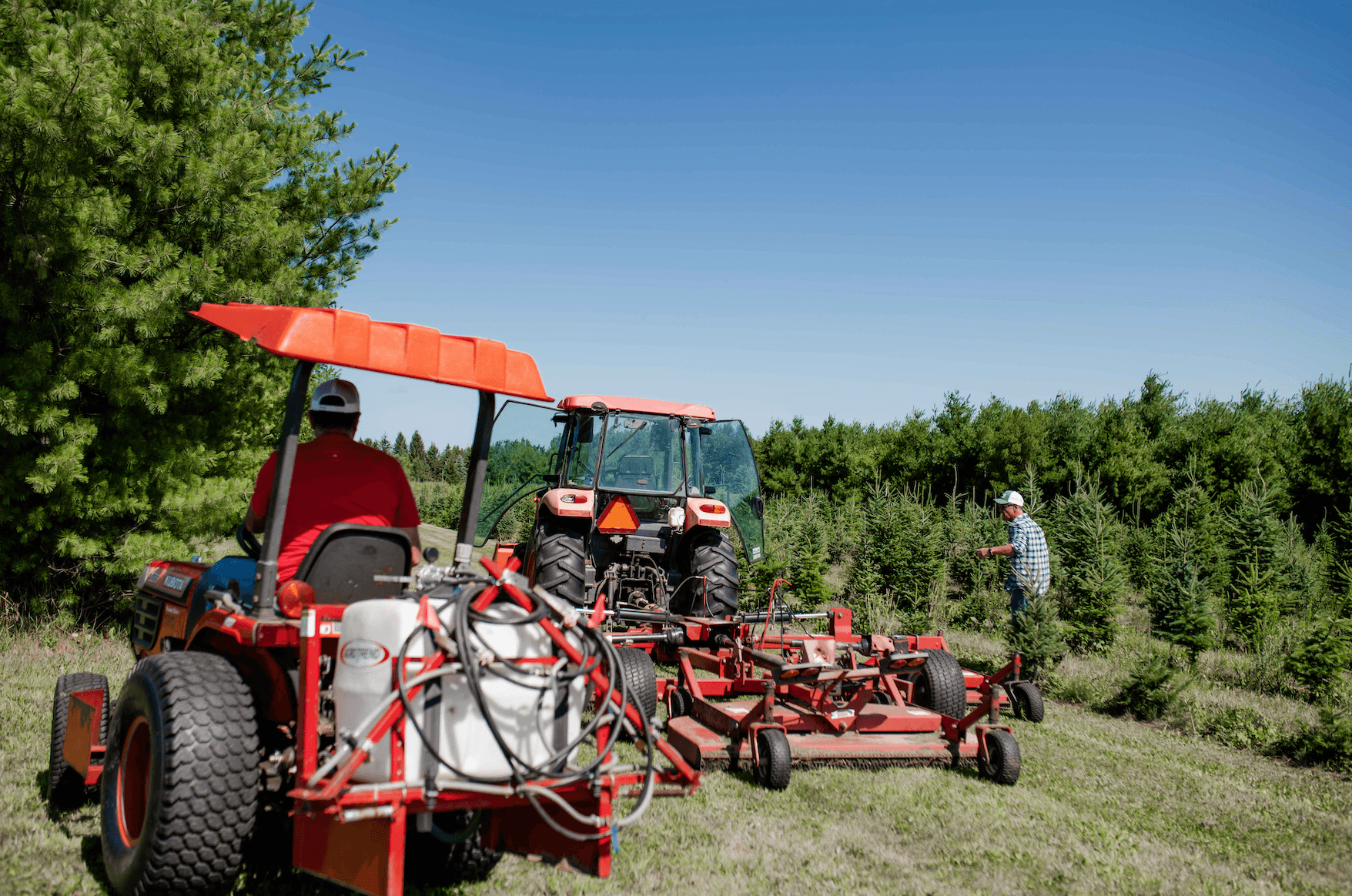
When you purchase a real Christmas tree from a local tree farm, your Christmas tradition supports the growers who have spent years caring for that crop. It helps keep agricultural land in production and supports an industry built around seasonal farming, local employment and long-term land stewardship.
Elliott Tree Farm is an active member of Christmas Tree Farmers of Ontario, connecting the farm with a wider community of Ontario growers committed to responsible Christmas tree farming, education and industry best practices.
For families looking to make more thoughtful local purchasing decisions during the holidays, choosing a locally grown real Christmas tree is one way to connect Christmas spending directly with Ontario agriculture.
 Sustainable Christmas Tree Experience
 Sustainable Christmas Tree Experience
Choosing a Christmas tree at a farm turns an everyday purchase into an experience. Children can see where Christmas trees grow. Families can walk between the rows, compare different species and choose a tree together rather than selecting one from a box.
That connection to the farm is one of the reasons real Christmas trees remain such a meaningful holiday tradition. The experience encourages people to think of the tree not simply as Christmas décor, but as something that has been grown and cared for over many years.
For visitors travelling to Ontario or spending Christmas near Toronto, visiting a working Christmas tree farm can also be a distinctly Canadian holiday experience. Evergreen fields, cold December air, a fresh tree, hot chocolate and time spent outdoors are all part of a Christmas tradition that feels rooted in the season itself.
Choose Your Christmas Tree at Elliott Tree Farm
Elliott Tree Farm has been welcoming families for authentic Christmas traditions since 1983. The 2026 Christmas Tree Experience runs daily from November 14 through December 23, with no general entrance fee, no parking fee and no reservation required.
Families can choose from cut-your-own Christmas trees in the farm’s plantations or visit the Fieldstone Christmas Tree Cellar, where freshly harvested Fraser Fir and Balsam Fir trees are displayed open so you can see their natural shape before choosing your favourite. Elliott Tree Farm harvests its fresh-cut trees in batches throughout the season and keeps them protected inside the cellar before they are selected and baled to take home.
Once you have found your tree, make a day of it. Warm up with something from the Horse Barn Canteen, visit the Heritage Gift Barn, explore the Maple Syrup Museum of Ontario, enjoy the bonfires and take a walk along the farm trails.
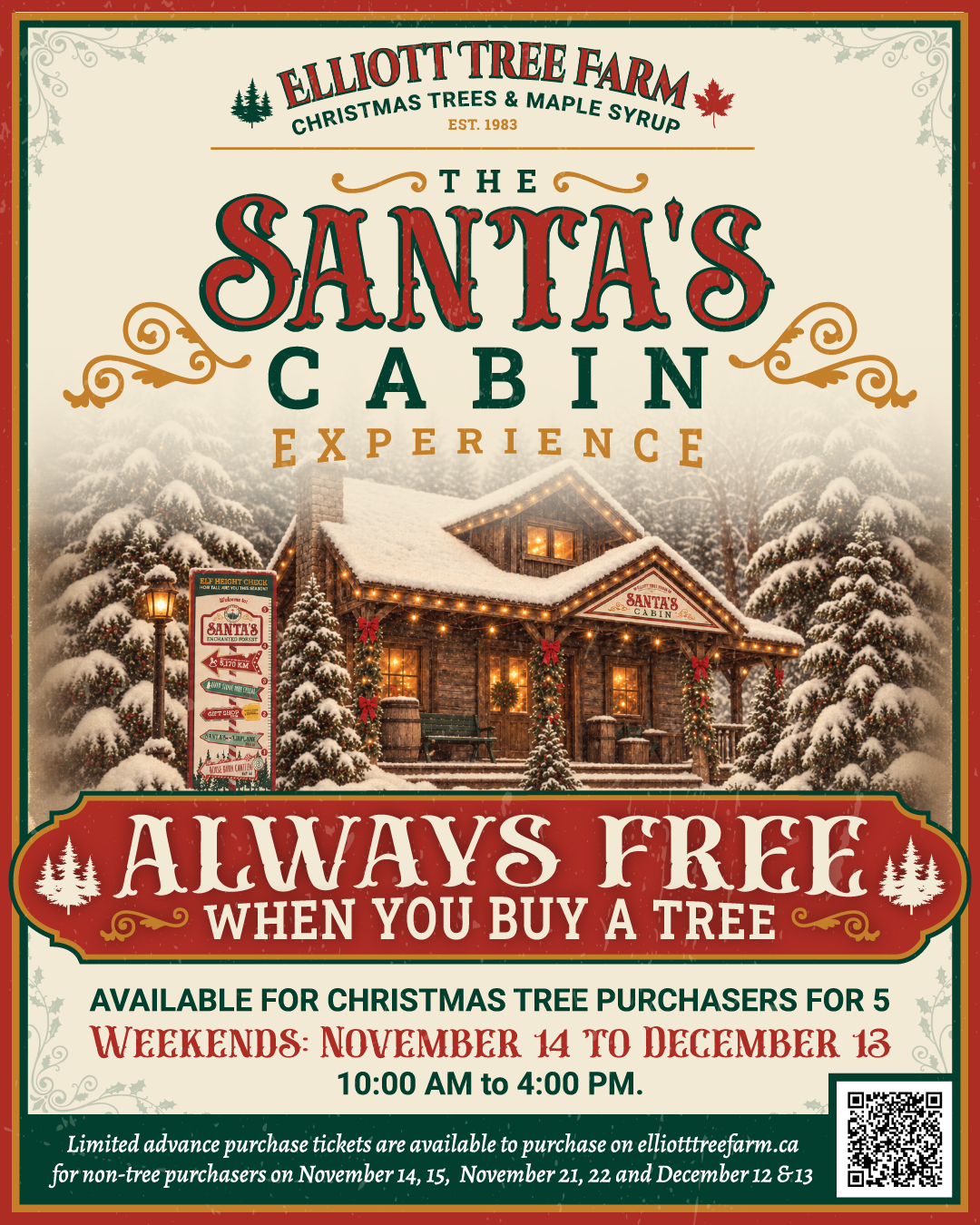 Make Santa Part of Your Christmas Tree Tradition
For families visiting on weekends from November 14 through December 13, the Christmas tree tradition can also include The Santa’s Cabin Experience.
Christmas tree purchasers receive a complimentary Golden Ticket for up to five people to visit Santa’s Cabin. Families can ride the Santa Express through Santa’s Enchanted Forest, weather permitting, before visiting Santa and Mrs. Claus.
It is another way a trip to choose a real Christmas tree becomes more than a purchase. For many families, it becomes the day that Christmas officially begins.
Elliott Tree Farm Christmas Tree Experience
Elliott Tree Farm, Hillsburgh, Ontario
Open Daily November 14 to December 23, 2026
9:00 AM to 5:00 PM
Cut-your-own plantations close at 4:00 PM